

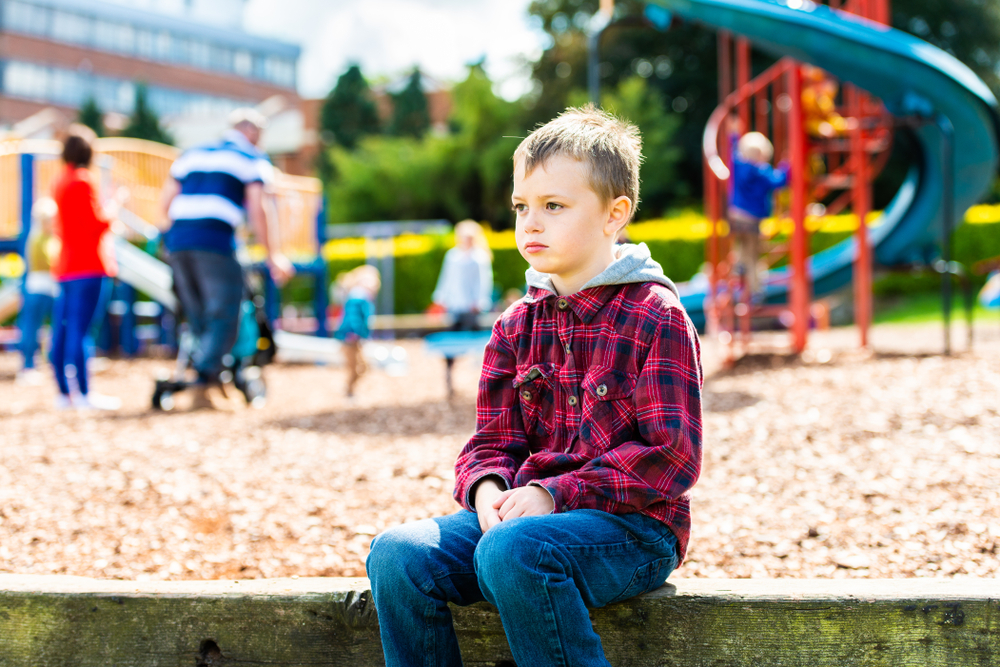
Life rarely stays the same for long. Families grow, move, separate, and reshape themselves in countless ways, and children are along for every twist and turn of that journey. For young children especially, big life changes can feel overwhelming, confusing, and even frightening. Whether a family is welcoming a new sibling, relocating to a new neighborhood, adjusting to a divorce, or transitioning from home to a childcare setting, children need steady, thoughtful support to process these shifts in healthy ways.
For families in Bloomington, MN, understanding how to guide little ones through uncertainty is one of the greatest gifts a parent or caregiver can offer. Helping children through family transitions starts with understanding why these moments feel so big to small people, and what research-backed strategies can ease the path forward.
Why Big Life Changes Feel So Enormous to Young Children
Adults have years of experience to draw on when navigating change. They understand that transitions, while uncomfortable, are temporary and often lead to something better. Children, particularly toddlers and preschoolers, do not yet have that reassuring framework. Their world is built on predictability. When routines shift or familiar faces disappear, they can feel as though the ground beneath them has given way.
The transition process can be emotionally stressful for children, as research has even found elevated stress indicators in young children during major enrollment changes. This is not a sign of weakness in a child; it is a completely normal neurological response to uncertainty. Young children process the world primarily through their senses and their relationships. When either of those anchors shifts, their behavior often reflects that inner turbulence through clinginess, regression, sleep disturbances, or increased tantrums.
Whether a child is starting preschool, moving to a new home, or welcoming a new sibling, children often struggle to process the emotional weight of these changes. Recognizing this reality is the first step toward offering the right kind of support. Parents who normalize their child’s feelings, rather than dismiss them, lay the groundwork for emotional resilience that will serve that child for a lifetime.
The Role of Consistency and Routine During Times of Change
One of the most powerful tools available to any caregiver is also one of the simplest: routine. One effective way to help children cope with life changes is by setting consistent, reliable routines. When a child knows what to expect, even in a world that feels unpredictable, that knowledge becomes a source of genuine comfort.
Providing stability and consistency are essential because they support children’s social-emotional development as well as their cognitive development. This means that morning routines, bedtime rituals, mealtimes, and even small daily habits carry far more weight than they might seem. During a family transition, parents should try to preserve as many of those familiar anchors as possible while gradually introducing the new normal.
For families navigating childcare support during major life changes, working with a childcare provider who understands and honors a child’s need for predictability is invaluable. A quality early childhood program that prioritizes consistent caregiving relationships, stable daily schedules, and gentle communication with families can serve as a stabilizing force when home life is in flux. Children who know their caregivers and trust their environment are far better equipped to process whatever is happening outside those classroom walls.
How Relationships Protect Children Through Transitions
At the heart of every healthy childhood transition is one thing: a safe, trusting relationship with a caring adult. Research consistently shows that the strength of adult-child relationships is the single greatest buffer against the stress of change. Supports for social and emotional development are characterized by warm, responsive adult-child interactions and relationships, a safe and supportive environment, and opportunities for peer interactions, empathy, and prosocial development.
This principle applies both at home and in childcare settings. The quality of relations between children, parents, and early childhood teachers contributes to a child’s adjustment and further development, making it important that the organization of daily activities supports good quality interactions. When parents communicate openly with their child’s teachers about what is happening at home, those teachers can offer targeted comfort and adjusted expectations that meet the child right where they are.
Research highlights the joint contribution of family relationships, individual strengths, and external developmental contexts to young children’s social-emotional development, with implications that include supporting emotionally connected family environments and strengthening home-to-school partnerships to foster holistic developmental outcomes. For Bloomington, MN families, this means choosing childcare partners who see themselves as true collaborators in a child’s growth, not just daytime supervisors.
Social Emotional Development Programs for Preschoolers: Building the Inner Toolkit
Beyond the immediate comfort of routines and relationships, children benefit enormously from intentional programming that builds their emotional vocabulary and self-regulation skills. Social emotional development programs for preschoolers play a critical role in preparing young children to name their feelings, manage big emotions, and develop the empathy needed to navigate social situations with confidence.
Evidence-based parenting and childhood intervention programs have demonstrated consistent benefits for children, including improved emotion recognition, regulation, empathy, and prosocial behavior. When these skills are developed early, children carry them into every new chapter of their lives, including the challenging ones.
Key program elements that make a meaningful difference include parent training sessions that introduce strategies for positive behavior guidance, approaches to fostering early literacy, methods supporting children’s emotional regulation and social competence, and recommendations for establishing consistent routines that together reinforce children’s readiness for transitions. Parents who engage with these programs alongside their children see benefits that extend beyond the classroom, shaping the way the whole family communicates and copes.
For preschoolers in Bloomington, MN, access to high-quality social emotional programming within a nurturing childcare environment is not a luxury. It is a foundational investment in long-term well-being. Programs that weave emotional learning into everyday activities, from circle time conversations to guided play, help children build the inner toolkit they need to face whatever comes next.
How Parents and Caregivers Can Partner Together for Stronger Outcomes
No child navigates a major life transition in isolation, and no parent should have to either. The partnership between families and childcare professionals is one of the most powerful forces in a young child’s developmental story. Family-school interaction moderates the relationship between family connectedness and psychological resilience, with that association being stronger when family-to-program interactions are more frequent. In practical terms, this means that parents who stay engaged with their child’s program during times of transition see better outcomes for their children.
Open, honest communication is the foundation of this partnership. Parents should feel empowered to share what their child is experiencing at home, whether that is a new baby, a parent traveling for work, a household move, or a family separation. Caregivers, in turn, should create space for that communication and respond with compassion, flexibility, and a genuine willingness to adjust their approach.
Helping children through family transitions is not just a task for one caregiver or one parent. It is a community effort that weaves together the threads of home, school, and extended support networks into a strong, protective fabric. Bloomington, MN offers a rich network of early childhood resources, family support services, and community programs that families can draw on during challenging seasons.
A Final Word for Bloomington Families
Change is an inevitable part of life, but struggle is not the only response to it. With the right support, children can move through even the most significant family transitions with their sense of security and curiosity intact. By prioritizing routine, nurturing relationships, and investing in social emotional development programs for children in their earliest years, Bloomington, MN families can turn moments of uncertainty into opportunities for growth. The children who learn early that change is manageable, and that caring adults will be there through it all, grow into resilient, confident individuals ready to take on the world.