

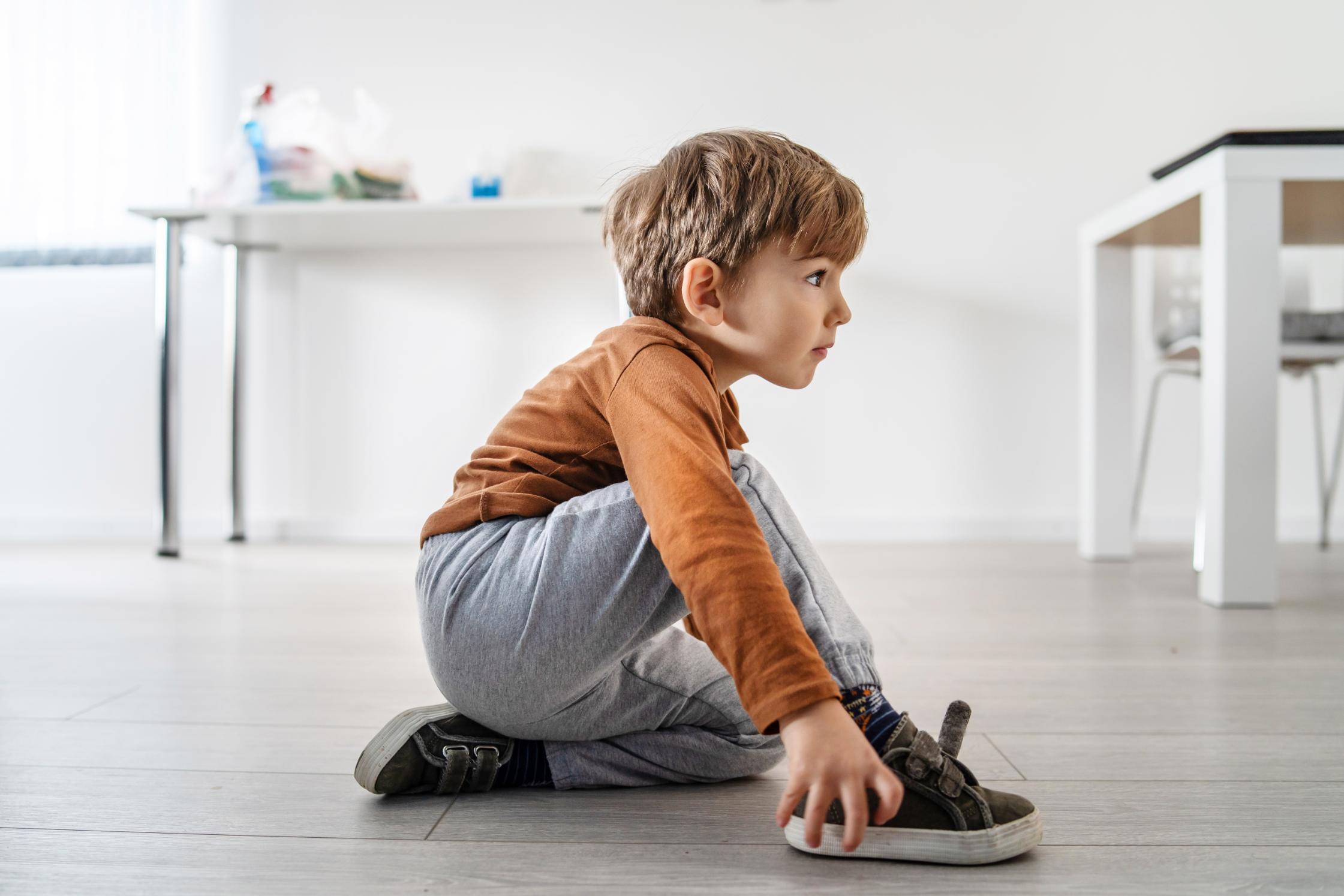
There are few things more rewarding than watching a young child beam with pride after accomplishing something on their own, such as zipping a jacket, washing their hands, or putting away their toys without being asked. These seemingly small milestones are actually important building blocks for confidence, responsibility, and lifelong learning. Families in Bloomington, MN often look for ways to encourage independence while balancing busy schedules, changing seasons, and the daily routines of family life. Helping children develop self-help skills early creates a strong foundation for confidence, resilience, and future learning.
Quick Answer
Teaching self-help skills during the toddler and preschool years helps children build confidence, strengthen problem-solving abilities, and prepare for success in school and everyday life. Simple daily routines like dressing, feeding themselves, cleaning up toys, and using the restroom independently encourage responsibility while supporting healthy physical, cognitive, social, and emotional development.
What Local Readers Should Know
-
Children learn self-help skills best through consistent daily routines and patient encouragement.
-
Bloomington families can reinforce independence at home, during community outings, and while visiting local parks and libraries.
-
Minnesota’s changing seasons provide opportunities for children to practice dressing themselves in layers, putting on boots, and managing winter gear.
-
Preschool programs that encourage age-appropriate independence help children gain confidence before entering kindergarten.
Why This Matters Locally
Independence isn’t simply about completing tasks without help. It teaches children perseverance, patience, decision-making, and confidence in their own abilities. When children experience the satisfaction of accomplishing something on their own, they become more willing to try new challenges. Teaching independence is especially valuable for families throughout Hennepin County and nearby communities, such as Richfield, Edina, Eden Prairie, Burnsville, and Minnetonka. Children in Minnesota experience distinct seasonal changes that require learning practical skills like putting on snow pants, fastening coats, organizing backpacks, and caring for personal belongings. These everyday tasks prepare children for preschool routines while helping them feel capable in new environments.
At Kinderplatz, we believe children thrive when they are given opportunities to practice independence in a supportive environment. Through encouragement, repetition, and age-appropriate guidance, we help children develop important life skills that support both confidence and school readiness.
Local Data or Field Observations
Early childhood educators consistently observe that children who are encouraged to complete age-appropriate tasks independently often become more confident learners. Each successful experience—whether putting on a coat, washing hands, or cleaning up after an activity—helps children develop persistence, problem-solving skills, and confidence in their own abilities. Research from organizations such as the Minnesota Department of Education and other early childhood experts also recognizes self-help skills as an important component of kindergarten readiness because they strengthen executive functioning, fine motor development, and self-regulation.
Local Impact
Children who develop independence early often transition more smoothly into preschool classrooms. Being able to manage simple personal tasks, such as putting their shoes on the correct feet or throwing away their own trash after lunch time, allows children to participate more confidently and successfully in classroom routines. Children who can manage everyday routines independently spend less time waiting for adult assistance and more time participating in classroom activities, interacting with peers, and engaging in meaningful learning experiences.
Parents also benefit from gradually increasing independence. Morning routines become less stressful, children gain a greater sense of responsibility, and everyday transitions often become easier for the entire family.
When Children May Need Extra Support
Children may need additional encouragement developing self-help skills if you notice:
-
They consistently refuse to attempt simple tasks independently.
-
They become frustrated immediately when challenges arise.
-
They rely on adults for age-appropriate activities they have previously mastered.
-
They avoid dressing, feeding themselves, or cleaning up after play.
-
They become anxious whenever routines change.
-
They struggle to follow simple multi-step directions.
-
They show little interest in practicing new skills despite encouragement.
When to Call a Professional
Some variation in development is completely normal, and every child learns at their own pace. Parents can safely encourage practice at home through daily routines and positive reinforcement.
If a child consistently struggles with multiple age-appropriate self-help skills or shows concerns with fine motor development, communication, or overall developmental milestones, discussing those concerns with your pediatrician or early childhood specialist can help determine whether additional support would be beneficial.
Common Local Causes
Several factors may influence how quickly children develop independence:
Limited opportunities to practice
Children learn through repetition. Busy family schedules sometimes make it easier for adults to complete tasks for children rather than allowing extra time for practice.
Seasonal clothing challenges
Minnesota winters require multiple clothing layers. While these routines can be challenging, they also provide excellent opportunities to practice dressing independently.
Fear of making mistakes
Some children worry about getting things wrong. Gentle encouragement and celebrating effort rather than perfection helps build confidence.
Inconsistent routines
Children generally learn self-help skills more quickly when daily routines remain predictable at home and daycare or preschool.
Prevention and Maintenance
Parents can support independence by making self-help practice part of everyday life.
-
Allow extra time during morning routines.
-
Break larger tasks into smaller steps, with visual schedules that read left-to-right and top-to-bottom (to support early literacy skills in the process).
-
Use consistent language and expectations.
-
Offer encouragement instead of immediately stepping in.
-
Keep child-sized tools and supplies easily accessible.
-
Celebrate effort, persistence, and progress—even when the outcome isn’t perfect.
-
Practice seasonal skills before winter weather arrives, including putting on jackets, boots, and mittens.
Remember that learning takes time. Patience and consistency produce the best long-term results.
Expected Results
Children who regularly practice self-help skills often become more confident, resilient, and independent. As they master everyday routines, they strengthen their problem-solving abilities, fine motor coordination, self-regulation, and willingness to tackle new challenges. These skills not only prepare children for kindergarten but also support lifelong learning.
Progress rarely happens all at once. Small daily successes gradually build lasting independence.
Common Mistakes
Doing everything for your child
Consequence: Children miss valuable learning opportunities.
Better approach: Allow children to complete tasks they are capable of doing, even if it takes longer.
Expecting perfection
Consequence: Children may become discouraged.
Better approach: Praise effort and improvement instead of flawless performance.
Introducing too many new skills at once
Consequence: Children can become overwhelmed.
Better approach: Focus on mastering one or two skills before introducing additional responsibilities.
Correcting every mistake
Consequence: Children may lose confidence.
Better approach: Offer gentle guidance while allowing children to problem solve independently whenever possible.
Common Local Scenario
A common situation for Bloomington families occurs during winter mornings. A preschooler wants to put on their own snow gear before heading out, but they put their mittens on first and then struggle to put on their snow pants, boots, coat, and hat. Although it may be tempting to step in and do it for them, allowing children the time to work through these challenges helps them learn the sequence, build perseverance, and gain confidence. After enough practice, many preschoolers can independently manage their winter gear—a skill that serves them well during outdoor play and kindergarten transitions.
Related Service Solutions
At Kinderplatz, self-help skills are intentionally woven into the daily routine rather than taught as isolated lessons. Throughout the day, children are encouraged to clean up after activities, wash their hands, help prepare for meals, organize their belongings, dress for outdoor play, and solve simple problems with guidance from caring teachers. These everyday experiences gradually build confidence while fostering independence.
Comparing Your Options
|
Home Practice |
Preschool Support |
|
Reinforces daily routines within the family. |
Provides structured opportunities to practice with peers. |
|
Parents can customize learning pace. |
Children build confidence in group settings. |
|
Encourages family involvement. |
Educators introduce consistent routines and positive encouragement. |
|
Best when combined with patience and repetition. |
Complements learning that begins at home. |
The strongest results usually come from families and educators working together to reinforce consistent expectations.
Service Areas
We proudly support families in Bloomington, MN, along with nearby communities including Richfield, Edina, Burnsville, Eden Prairie, Minnetonka, and other surrounding areas throughout Hennepin County and the Twin Cities region.
Cost of Ignoring the Issue
Delaying opportunities for children to practice independence can make classroom transitions more challenging and may reduce confidence when new responsibilities arise. Encouraging age-appropriate self-help skills early helps children approach future learning experiences with greater confidence and resilience.
Frequently Asked Questions
What are self-help skills for toddlers?
Self-help skills are everyday tasks children gradually learn to complete independently, including dressing, hand washing, feeding themselves, cleaning up toys, and following simple routines. These skills help build confidence and prepare children for preschool.
Why are self-help skills important for preschool readiness in Bloomington, MN?
Self-help skills help children participate more confidently in classroom routines. Preschool programs throughout Bloomington often encourage independence because children who can manage simple daily tasks, like putting papers into their cubby or blowing their own nose, are better prepared for learning and social interaction.
At what age should children start learning self-help skills?
Self-help skills begin developing during infancy and continue throughout early childhood. Infants begin by learning to feed themselves finger foods and participate in simple routines. Toddlers gradually learn to help with dressing, cleaning up toys, hand washing, and toileting, while preschoolers build greater independence by managing more complex daily routines with minimal assistance.
How can Minnesota winters help children develop independence?
Putting on outdoor apparel provides excellent opportunities for children to strengthen problem-solving skills, coordination, and confidence during everyday routines.
How can parents encourage independence without causing frustration?
Children learn best when adults offer encouragement, demonstrate new skills, allow extra time for practice, and celebrate effort instead of expecting perfection.
Do child care and early learning programs teach self-help skills in Bloomington?
Yes. Many quality preschool programs incorporate self-help skills into daily classroom routines by encouraging children to care for personal belongings, wash hands independently, clean up after activities, and participate in age-appropriate responsibilities.
What if my child wants help with everything?
This is common during development. Offering choices, encouraging small successes, and gradually reducing assistance helps children become more comfortable completing tasks independently.
How do self-help skills build confidence?
Successfully completing everyday tasks, such as hanging up their jacket or wiping up a spill, helps children feel capable and proud of their accomplishments. Each new skill reinforces resilience, encourages problem solving, and supports healthy emotional development.
Closing
Helping children become independent doesn’t happen overnight. It grows through everyday moments—zipping a coat, pouring a cup of milk, washing hands, cleaning up toys, or trying again after making a mistake. Each small success builds confidence, resilience, and a belief in their own abilities.
At Kinderplatz, we believe these everyday accomplishments are just as important as learning letters and numbers. By encouraging children to do what they are capable of doing for themselves—while providing support when they need it—we help prepare them not only for kindergarten, but for a lifetime of learning, responsibility, and confidence.
Help Your Child Build Confidence Through Independence
Every child deserves a supportive environment where they can develop the skills that prepare them for lifelong success.