

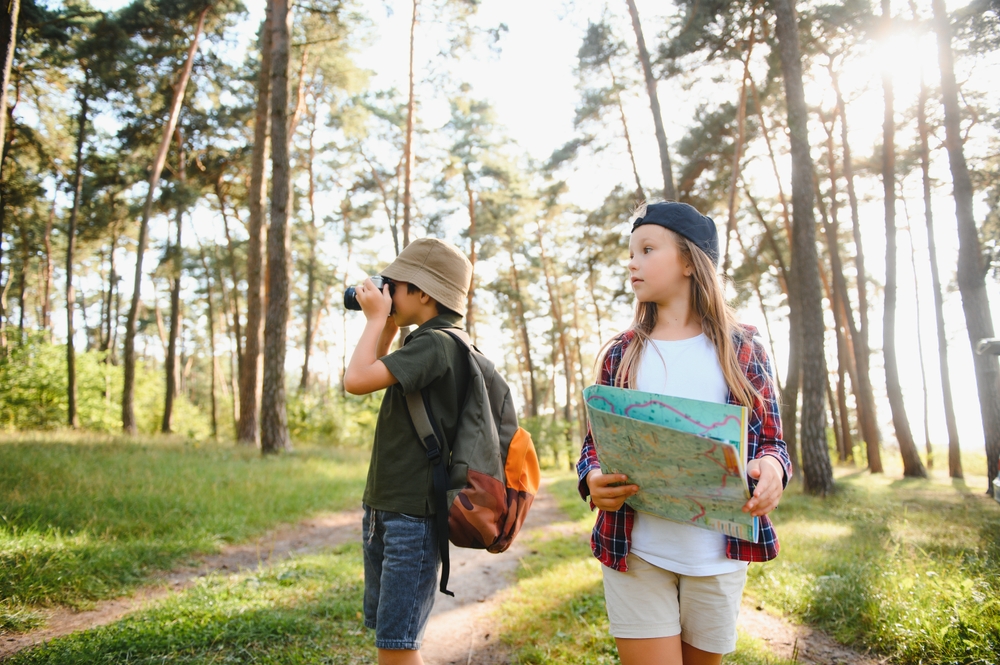
Outdoor play is one of the most powerful tools available for supporting healthy development in young children. When children spend time outside engaging in physical activities, they are not simply having fun; they are building the foundation for lifelong health, confidence, and social competence. Understanding how outdoor play supports physical development in early childhood can help parents, educators, and caregivers prioritize outdoor experiences as a critical part of early childhood education and family life.
The modern world presents unique challenges for children’s outdoor engagement. Screen time has increased significantly, and many families live in environments where outdoor access is limited. Despite these obstacles, research consistently demonstrates that outdoor play remains essential for developing healthy bodies and confident minds. This blog explores the profound benefits of outdoor activities and explains why outdoor play should be a non-negotiable part of every child’s early years.
Physical Development Through Outdoor Movement
When children play outside, they naturally engage in the types of physical activity necessary for healthy growth and development. Running, climbing, jumping, and exploring require children to use their large muscle groups, which strengthens their bodies and builds motor skills. These gross motor activities are foundational; they prepare children for more complex physical tasks like writing, sports, and dance later in life.
Outdoor environments offer varied terrain and natural obstacles that indoor spaces cannot replicate. A grassy hill provides resistance for running; a tree offers branches for climbing; a sandbox invites digging and building. Each of these activities engages different muscle groups and challenges children’s balance and coordination. Children develop strength naturally through play rather than through structured exercise, making physical fitness feel enjoyable rather than like a chore.
Beyond muscle development, outdoor play contributes to bone health. Exposure to natural sunlight triggers vitamin D production, which is essential for calcium absorption and strong bone development. Children who spend regular time outdoors tend to have stronger bones and better overall physical health than children who remain primarily indoors. This early investment in physical health yields benefits throughout childhood and into adulthood.
Building Confidence in Kids Through Outdoor Activities and Play
Confidence develops through mastery and accomplishment. Outdoor play provides countless opportunities for children to challenge themselves, face obstacles, and discover their own capabilities. When a child successfully climbs to the top of a climbing structure for the first time or learns to balance on a beam, they experience genuine achievement. This success builds self-efficacy and encourages children to attempt new challenges.
Outdoor environments also allow for appropriate risk-taking in relatively safe contexts. Children can test their limits, experience minor falls and bumps, and learn that they can handle adversity. This type of manageable risk-taking is crucial for developing resilience and confidence. Children who never experience minor challenges may become overly cautious and hesitant to try new things. In contrast, children who regularly engage in outdoor play develop a “can-do” attitude because they have repeatedly proven to themselves that they can accomplish difficult tasks.
The freedom inherent in outdoor play also contributes to confidence development. Unlike structured indoor activities with predetermined rules and outcomes, outdoor play often allows children to direct their own play and make their own decisions. This autonomy helps children develop trust in their own judgment and decision-making abilities. When children are allowed to choose how to play, what to explore, and how to solve problems they encounter outdoors, they build confidence in their capacity to navigate the world independently.
Social and Emotional Benefits of Outdoor Play for Preschoolers
Outdoor play naturally creates opportunities for social interaction and collaboration. When children play together outside, they learn to negotiate, share, take turns, and resolve conflicts. A group of children building a fort from sticks and leaves must communicate, compromise, and work toward a common goal. These interactions teach essential social skills that children will use throughout their lives.
The social-emotional benefits of outdoor play for preschoolers extend beyond skill development. Time in nature has a calming effect on the nervous system. Children who are anxious, overstimulated, or emotionally dysregulated often find that outdoor play helps them settle and regain emotional balance. The sensory experiences of outdoor play, from the feel of grass under bare feet to the sound of birds singing, can be deeply soothing for young children.
Outdoor play also provides natural opportunities for emotional expression and processing. Children often work through emotions and experiences through imaginative outdoor play. A child might “explore a jungle” while processing fears about a new situation, or “rescue animals” while working through feelings about helping others. This type of therapeutic play is less likely to occur in structured indoor environments.
Cognitive Development and Learning Through Nature
Many people think of outdoor play as purely physical activity, but outdoor environments are actually rich learning spaces. Children develop scientific thinking by observing insects, plants, and weather patterns. They practice mathematics by measuring distances during games, building structures, or creating arrangements with natural materials. Language develops as children describe their discoveries, name plants and animals, and communicate during play.
The natural world provides sensory stimulation that supports cognitive development. Children exploring a garden encounter different textures, colors, smells, and sounds. This multisensory environment engages the brain in powerful ways and supports the development of neural pathways associated with learning and memory. Additionally, outdoor play allows children to observe cause and effect relationships naturally; they see how water flows downhill, how plants grow over time, and how their actions create results in the physical world.
Outdoor play also supports creativity and imagination. Nature provides endless materials for imaginative play: sticks become swords or magic wands, leaves become money or decorations, rocks become stepping stones or building blocks. This type of open-ended play with natural materials encourages flexible thinking and creative problem-solving skills that are essential for academic and personal success.
Creating Outdoor Play Opportunities for Every Child
Recognizing the importance of outdoor play is only the first step; families and educators must actively create opportunities for children to spend time outside. This does not require expensive equipment or special locations. A simple yard, a local park, or even a small grassy area can provide excellent opportunities for outdoor play. The key is consistency and freedom for children to direct their own exploration and play.
Safety is important but should not prevent outdoor play. Children need appropriate supervision and basic safety guidelines, but they also need the freedom to take manageable risks. Overly restrictive approaches that prevent all risk actually undermine the confidence-building benefits of outdoor play. The goal is finding balance between protection and permission.
Families can maximize outdoor play benefits by spending time outside regularly, even in small increments. A thirty-minute outdoor play session several times per week provides meaningful benefits. Weather should not be a major barrier; appropriate clothing allows for outdoor play year-round in most climates. Children benefit from experiencing seasons, rain, and varied weather conditions.
Conclusion
Outdoor play is not a luxury or optional activity in early childhood; it is essential for healthy development. How outdoor play supports physical development in early childhood, building confidence in kids through outdoor activities and play, and the social-emotional benefits of outdoor play for preschoolers are all critical aspects of child development that deserve attention and priority. By ensuring that children have regular opportunities to play outside, parents and educators invest in stronger bodies, more resilient minds, and more socially competent individuals. The benefits extend far beyond early childhood, shaping the foundation for health, confidence, and wellbeing throughout life.