

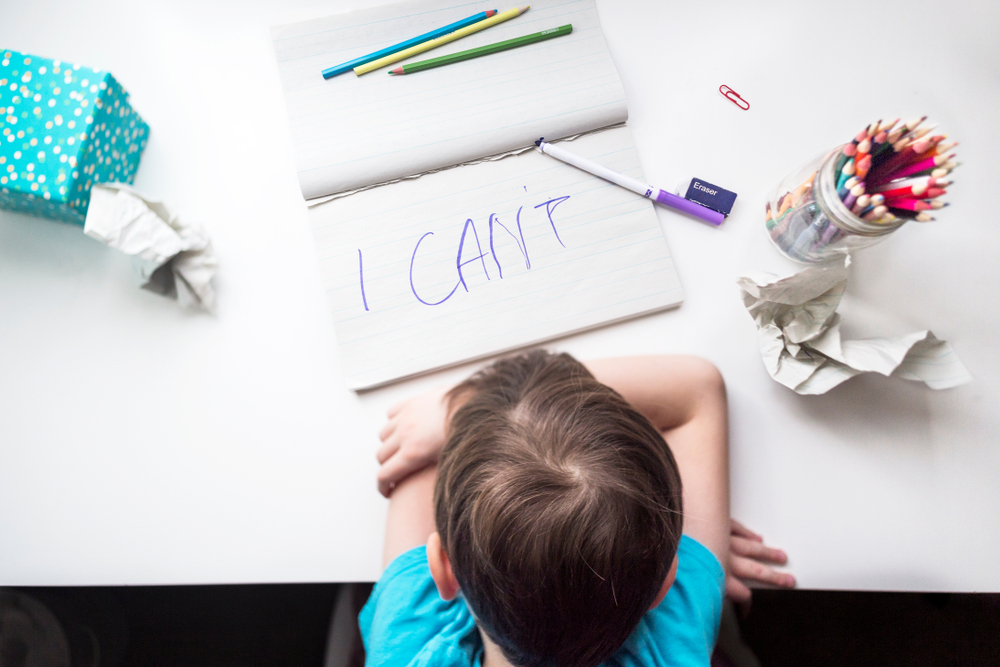
When families in Bloomington, MN face crises, whether personal, community-wide, or global, children often feel the impact in profound ways. They may not have the words to express fear, confusion, or grief, but their behavior and emotions reveal the depth of their experience. For parents and caregivers, navigating these moments can feel overwhelming. With compassion, understanding, and trauma informed parenting strategies, adults can offer children the stability and emotional support they need to heal and grow.
Understanding How Children Experience Crisis
Children process crisis differently than adults. Depending on their age and developmental stage, they may react with sadness, anxiety, irritability, withdrawal, or even aggression. Infants and toddlers might regress in behavior, cling to caregivers, or show changes in sleep and appetite. Preschoolers may express fears openly or through play, while older children and teens might internalize their distress or mask it with defiance or detachment.
Families across the Twin Cities face a wide range of potential stressors, including community violence, economic instability, illness, or natural disasters. What matters most in any of these situations is the response of caring adults. Children look to the grown-ups around them for cues on how to interpret and manage what is happening. When adults remain calm, responsive, and supportive, children are more likely to feel secure even when the world feels uncertain.
Creating a Safe and Supportive Environment
A safe environment is both physical and emotional. For children in crisis, knowing they are protected and that their needs will be met is essential. Start with a routine. Children thrive on predictability, especially during times of chaos. Maintain regular mealtimes, bedtimes, and daily rituals whenever possible. This structure reassures children that not everything is out of control.
Offer your presence and attention. Often, what children need most is to be heard and seen. Set aside time to listen, answer questions honestly, and validate their feelings. Avoid dismissive phrases like, “You are fine,” or “Don’t worry about it.” Instead, acknowledge their emotions and let them know it is okay to feel scared, angry, or confused.
If your child is old enough, involve them in creating a family plan for managing stress. Whether it is assembling a comfort kit, choosing calming activities, or designating a safe space in the home, these steps give children a sense of agency and control. Many families find additional support through local schools and early childhood programs that prioritize emotional learning and well-being.
Trauma Informed Parenting Tips for Everyday Support
Parenting through crisis requires more than maintaining routines. It calls for a trauma informed approach that recognizes how stress and adversity affect a child’s brain, body, and behavior.
Respond with empathy rather than punishment. When children act out during a crisis, it is rarely intentional misbehavior. Their nervous systems are often overwhelmed and struggling to self-regulate. Instead of harsh discipline, focus on connection. Offer reassurance, physical comfort when appropriate, and help children name what they are feeling.
Be mindful of triggers. Certain sounds, images, or situations may remind a child of a stressful event, even if they cannot explain why. Loud noises, unexpected changes, or media coverage can heighten anxiety. Being aware of these triggers and adjusting the environment when possible can reduce unnecessary distress.
Care for yourself as well. Children are highly perceptive and often mirror the emotional state of the adults around them. Prioritizing your own mental and emotional health is not selfish. It is essential. Across Minnesota, caregivers can access parenting groups, counseling services, and family support organizations designed to help adults manage stress and trauma.
Strengthening Emotional Resilience in Early Childhood
The early years are especially important for emotional development. For young children in the Twin Cities area, building resilience begins with strong, nurturing relationships. Children who feel securely bonded to at least one trusted adult are better equipped to recover from difficult experiences and develop healthy coping skills.
Reading books that explore emotions or portray characters navigating challenges can help children understand and normalize their feelings. Encourage expressive play, drawing, or storytelling, as young children often process experiences through creativity rather than conversation.
Use simple, reassuring language to remind children they are safe, loved, and not alone. Frequent physical affection such as hugs or gentle touch can help regulate their nervous system and reinforce a sense of security.
Accessing Community Resources in Bloomington, MN
One of the strengths of the greater Twin Cities region is the availability of child focused resources. Families can find support through school counselors, pediatric mental health providers, nonprofit organizations, and community programs dedicated to child and family well-being.
If your child is experiencing significant emotional or behavioral challenges, seeking professional support can make a meaningful difference. Pediatricians, therapists, and school-based mental health professionals can help assess needs and provide appropriate trauma informed care.
Reaching out to teachers, school staff, or local family organizations can be an important first step in building a broader support system.
Conclusion
Supporting children through crisis is never easy, but it is one of the most impactful roles a parent or caregiver can play. Children depend on trusted adults for guidance, reassurance, and emotional stability, especially during times of uncertainty and change.
By offering consistent routines, practicing trauma informed parenting, and utilizing supportive community resources throughout the Twin Cities, caregivers can help children feel safe and supported during difficult times. Every moment of calm connection and understanding contributes to healing and long-term resilience.
Children are remarkably resilient when surrounded by compassionate adults who meet their struggles with patience and care. While the journey may take time, recovery and growth are always possible.